

By Carolyn D. Townes OFS, Member of our International Board of Directors
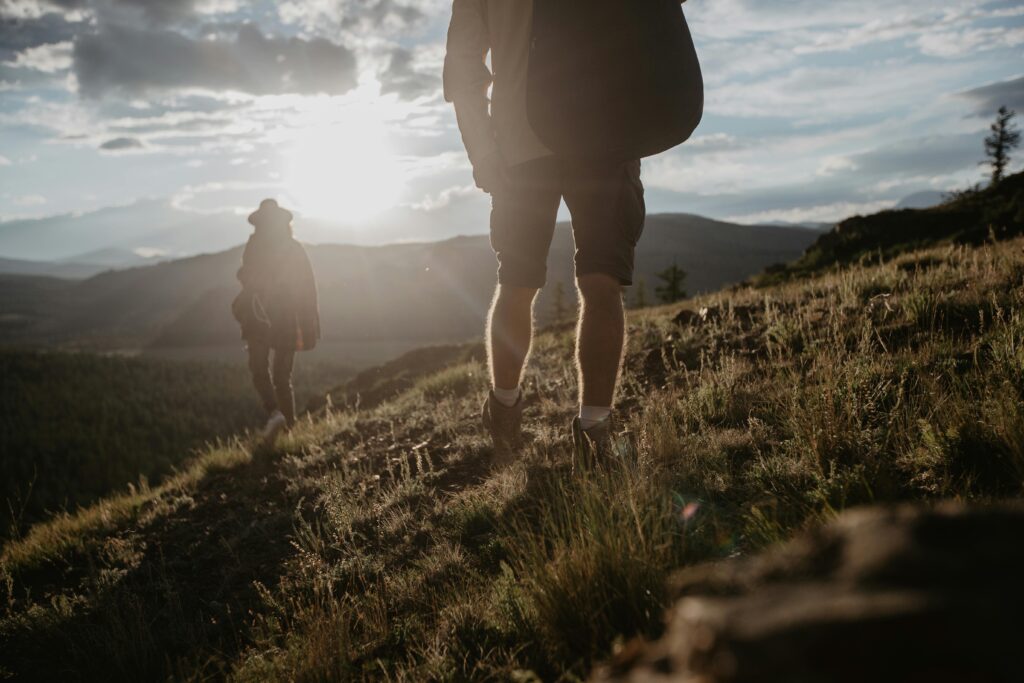
On that first day of the week, two disciples walked a dusty road with heavy hearts and slow steps. They carried the weight of grief, confusion, and the shattering of what they thought they knew. The world felt smaller. And yet, even in their sorrow, they kept walking. They kept moving through creation – past fields, trees, and the beauty of the world that had kept going even in the midst of the darkness of the crucifixion.
The risen Jesus does not appear to them in a sanctuary or in the temple. He comes to them on a road. A simple, earthy, dirt road. He meets them while moving, in conversation, in the midst of their bewilderment and grief. He meets them outdoors, where the dust clings to their sandals and the wind brushes their faces. Resurrection, it seems, is not confined to holy places. It is woven into the very fabric of creation.
As they walk, Jesus listens first. He lets them name their heartbreak. He lets them speak of the world as they see it – broken, unjust, and uncertain. Only then does he begin to open the Scriptures to them, helping them see that God’s life-giving work has always unfolded through the natural world: burning bushes, parted seas, wilderness wanderings, gardens blooming with promise. Creation has always been a partner in revelation. Yet, they do not recognize him.
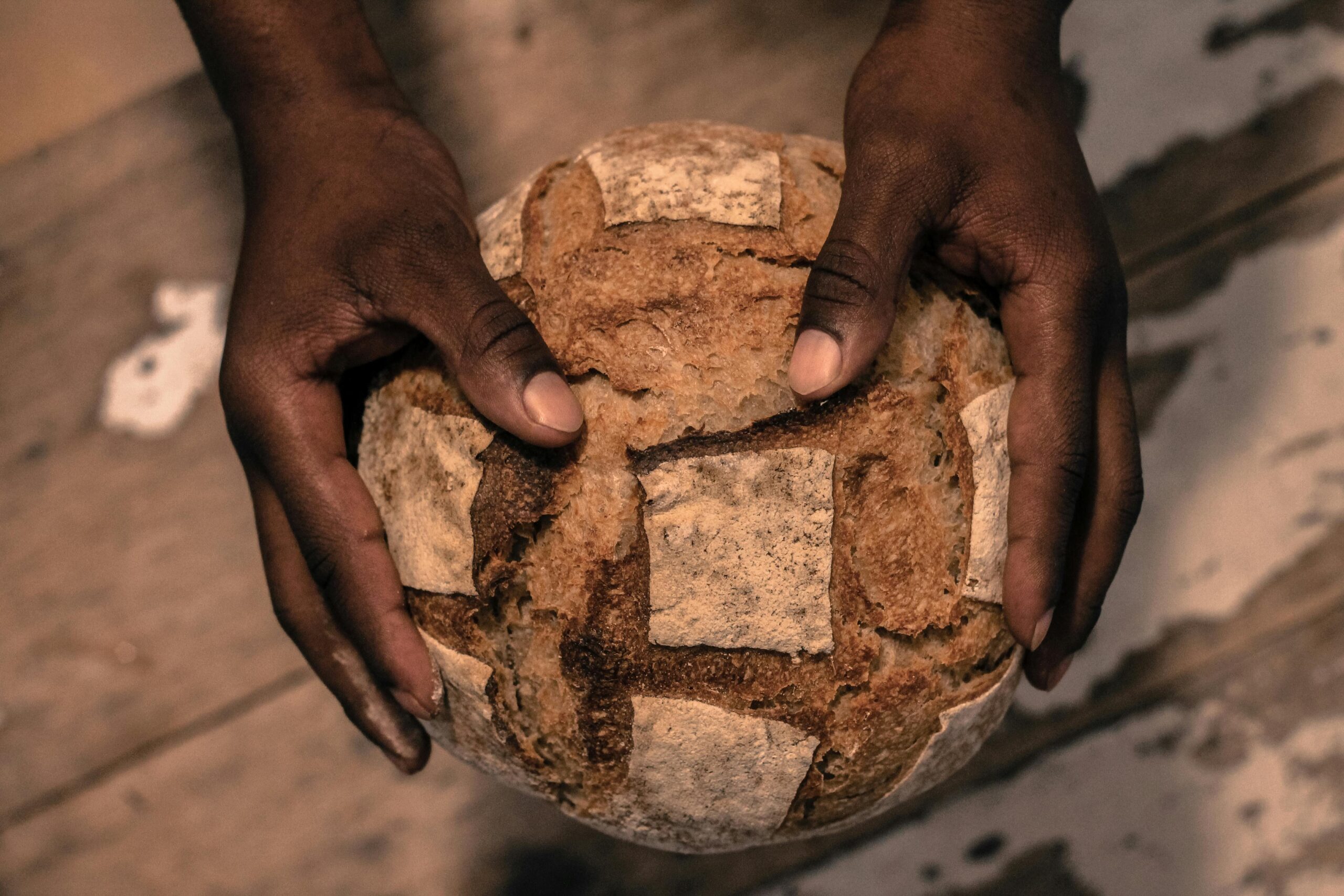
Not until they stop. Not until they sit at a table. Not until he takes bread, grain from the earth. He blesses it, breaks it, and gives it to them. In that moment of shared nourishment, their eyes are opened. Resurrection becomes real not through argument or proof, but through relationship, hospitality, and the gifts of the earth. This is the heart of Easter: Christ made known in the breaking of bread, in the walking of roads, in the ordinary holiness of creation.
Today, we walk our own Emmaus roads. We carry our own griefs – personal, communal, environmental. We see the wounds of the earth: forests stripped bare, waters polluted, species disappearing, weather patterns shifting with alarming speed. We feel the weight of a creation groaning for healing. And like those early disciples, we sometimes wonder if hope is still possible.
But Easter insists that hope is not only possible, it is already stirring beneath the surface. The resurrection is not an escape from the world; it is God’s profound “yes” to the world. A yes to bodies, to soil, to breath, to ecosystems, to the interconnected web of life. A yes to the possibility that what has been broken can be restored.
The Emmaus story reminds us that Christ walks with us on the road of ecological grief. He listens to our fears. He receives our lament. And he invites us to see creation not as a backdrop to our spiritual lives, but as a living testimony to God’s ongoing resurrection work.
When the disciples finally recognize Jesus, they say, “Were not our hearts burning within us?” That burning is not only spiritual fervor – it is an awakening. It is the realization that God has been present all along, in every step, in every breath, in every living thing.
The poet Mary Oliver once wrote, “Instructions for living a life: Pay attention. Be astonished. Tell about it.” Easter calls us to this kind of attention – to notice the resurrection happening in small, quiet ways: a seed pushing through soil, a river returning to clarity, a community choosing sustainable practices, a child planting a tree with hope. To care for creation is to participate in resurrection. It is to say with our actions that we believe that death does not have the final word, that restoration is stronger than destruction, and communion stronger than consumption. It is to walk the Emmaus roadwith eyes open, hearts burning, and hands ready to bless the earth that first blesses us.
Christ is risen – and creation rises with him.