In the context of the 103th Session of the United Nations Committee on the Elimination of Racial Discrimination (CERD) – and its follow-up letter to the Mexican government – our organizations join the Committee’s findings on the lack of implementation and the insufficient implementation of some of the recommendations made in 2019. In particular, after almost two years, the implementation of recommendations related to migrants, asylum seekers and those requiring complementary protection is inadequate and the current situation is, in fact, a regression.

The lack of implementation of the CERD recommendations by Mexico is framed in the context of migration policies towards militarization, criminalization, systematic detentions and use of force that incite discrimination against migrants and asylum seekers. This context has been aggravated after the implementation of measures to control the Covid-19 pandemic.

We have witnessed an increased number of security forces, including the military and the National Guard Forces (NGF), in migratory verification and control tasks. From June 2019 to December 2020, the military and the NGF detained 152.000 migrants in the southern border. The National Defence Ministry (SEDENA) – and not the NGF – conducted 67% of these detentions, including the detention of 27.000 children.

We have identified an excessive, arbitrary, and indiscriminate use of force during the “caravans” with multiple human rights violations. The same pattern has been identified against protests inside migration detention centers when migrants tried to fight for their rights and better conditions during their detention. Sometimes these protests occur with irreparable consequences, like the death of a Guatemalan migrant in the Migrant Detention Center in Tenosique in April 2020.

We have also documented how the National Institute of Migration (INM) has denied access to the asylum-seeking procedure for those needing international protection. Those who have expressed the those who have expressed the intention to access this proceeding have on many occasions been sent to detention centers without appropriate revision of their requests. Our organizations have even documented that people with their asylum-seeking requests, or with their recognized refugee status, have been detained and deported to countries where their lives are at risk.

Furthermore, with the arrival of African and Asian migrants, as well as from Haiti, the Mexican government has not adopted an integral migration policy to respond to their needs, such as adequate interpretation and enough human rights information.

The racism against people and families from Haiti – for those who have been victims of violence, trauma and family separation – is institutional. One of these cases is Maxene André who died on the 6th of August 2019 inside the Migration Centre “Siglo XXI” in Tapachula, Chiapas. André was sick and isolated for 15 days out of the 20 days that he was in detention.

The response by the Mexican government and institutions has incited xenophobia and discrimination against migrants entering through the southern border, particularly by deploying the INM at the borders in collaboration with the NGF and members from the SEDENA to stop migrants and asylum seekers to enter, especially through the southern border. These practices have been documented and published in different press-releases and reports, in which the criminalization of people entering to Mexico in “irregular” migration status, and allegedly carriers of a disease, is evident. This situation was more evident with the sanitary measures implemented in the context of the Covid-19 pandemic, which have been not only discriminatory but also with the purpose to deter migration.

On the other hand, there are around 1500 peoples, mainly from Central America, in vulnerable and risk situations in the camp installed since the 18th of February 2021 in Tijuana city, known as “El Chaparral”. In this camp there are inappropriate sanitary, hygienic, and secure conditions, and a lack of health services and adequate food. In addition, the spread of racists, discriminatory and xenophobic messages and actions creates stressful and tense environments in the camp. Until now, the local and federal authorities have not implemented any humanitarian assistance or preventive measures to address these acts of discrimination.

We also raise awareness of the particular situation of non-accompanied children. On the 11th of November 2020, a Decree was officially published, which modified and reform several articles on migrant children of the Migration Law and the Law on Refugees, Complementary Protection and Political Asylum. However, in practice, the detention of non-accompanied children continues, particularly detentions in inadequate places; being separated from their families, the lack of access to the right to request asylum for themselves. Until now, there are no adequate regulations, protocols, or operative manuals that would effectively implement the reforms.

Lastly, in addition to the widespread context of strengthening migratory policies, our organizations have witnessed intense months of hostilities, harassment, surveillance, defamation and aggressions against human right defenders, shelters and spaces attending migrants. On the 19th of January 2021, during a human rights monitoring activity carried out by the “Colectivo de Observación y Monitoreo de Derechos Humanos del Sureste Mexicano”, human right defenders were followed and kept under surveillance by members of the NGF, SEDENA and the Marine. This happened in a context were human right defenders, shelters and civil society organizations are the ones providing humanitarian assistance and protecting migrants.

During Covid-19, and in addition to acts and statements that criminalize human right defenders, there has been a use of the health emergency to falsely argue that accompanying migrant and defend human rights pose a “risk” of contamination to the local communities. This has been the case in various shelters and for human right defenders such as in the “El Chaparral” camp in Tijuana. For this reason, we are concerned that Mexico did not provide information to the CERD on the implementation of the recommendations related to the protection of human right defenders working with people on the move.

The lack of governmental actions to implement the Committee’s recommendations is just a sign of the systemic denial of the fundamental rights of thousands of migrants and asylum seekers who are discriminated against because of their nationality.

We call on Mexico to comply with its international obligations and particularly to implement the recommendations that various human rights mechanisms have made in the context of the protection of human rights of migrants, asylum seekers and human right defenders that work with them.

Signed by

  • Centro de Derechos Humanos Fray Matías de Córdova A. C.
  • Franciscans International
  • Programa de Asuntos Migratorios, Universidad Iberoamericana Ciudad de México
  • Red Franciscana para Migrantes en Centroamérica, México y Estados Unidos
  • Red Franciscana para Migrantes en México
  • Red Jesuita con Migrantes Centroamérica y Norteamérica
  • Servicio Jesuita a Refugiados México

On 29 April 2021, Franciscans International and the International Movement ATD Fourth World held a virtual NYC-Geneva dialogue on implementation of the Sustainable Development Goals (SDGs) and climate action in times of Covid-19 recovery.

The dialogue brought together UN Member State representatives in New York and Geneva, United Nations (UN) agencies, and NGOs to informally share concrete recommendations and discuss ways in which the international community can effectively reach out to those living in extreme poverty. The event opened with interventions from Member States and individuals affected by climate change. Break-out sessions were held to discuss three main subsets of questions:

  • How do the contributions shared today by our keynote speakers resonate with your personal or work experience? For example, what would be the priorities for you to address in policy or in advocacy?
  • What difference can human rights-based approaches to climate action and sustainable development make for people living in extreme poverty? Do you have any success stories in your work where you were able to ensure that human rights were at the center of climate or development projects or policy?
  • How can we ensure better policy coherence between Geneva and New York on issues related to climate action, SDG implementation and human rights in times of Covid-19 recovery?

Participants underscored the severe impacts of Covid-19 and climate change on communities, especially those already living in extreme poverty. The importance of addressing climate change and poverty eradication holistically was stressed.  Discussions also addressed the essential role of the human rights framework in empowering affected communities and ensuring better outcomes in terms of advancing the implementation of the Paris Agreement on climate change and the 2030 Agenda for Sustainable Development. By prioritizing human rights, States can ensure an equitable road to recovery and accelerate achievement of the SDGs.

Today, the Escazú Agreement enters into force coinciding with International Mother Earth Day. This ground-breaking multilateral treaty is the first binding document of this kind in the Latin America and Caribbean region following the steps of the Aarhus Convention. Its importance lies with its innovative content as it binds States to provide access to environmental information, fosters public participation in environmental decision-making, and offers measures for the protection of environmental activists.

FI particularly welcomes this Agreement as it is the world’s first treaty with positive States’ obligations to take measures to protect and promote all the rights of human rights defenders in environmental matters, and to prevent, investigate and punish attacks, threats or intimidations against them (see article 9 of the Agreement). In turn, this has the potential to reduce their targeting, an issue of great importance in the world’s deadliest region for environmental activists.
Like every international treaty, its implementation comes with many challenges, one of them being that its efficiency and impact will depend on the good faith of States parties to properly enforce it. In this matter, civil society organizations will continue to play a prominent role by monitoring its fulfillment. Moreover, countries where environmental human rights defenders are the most at risk (for example Colombia, Guatemala, and Brazil) have not ratified this Agreement.

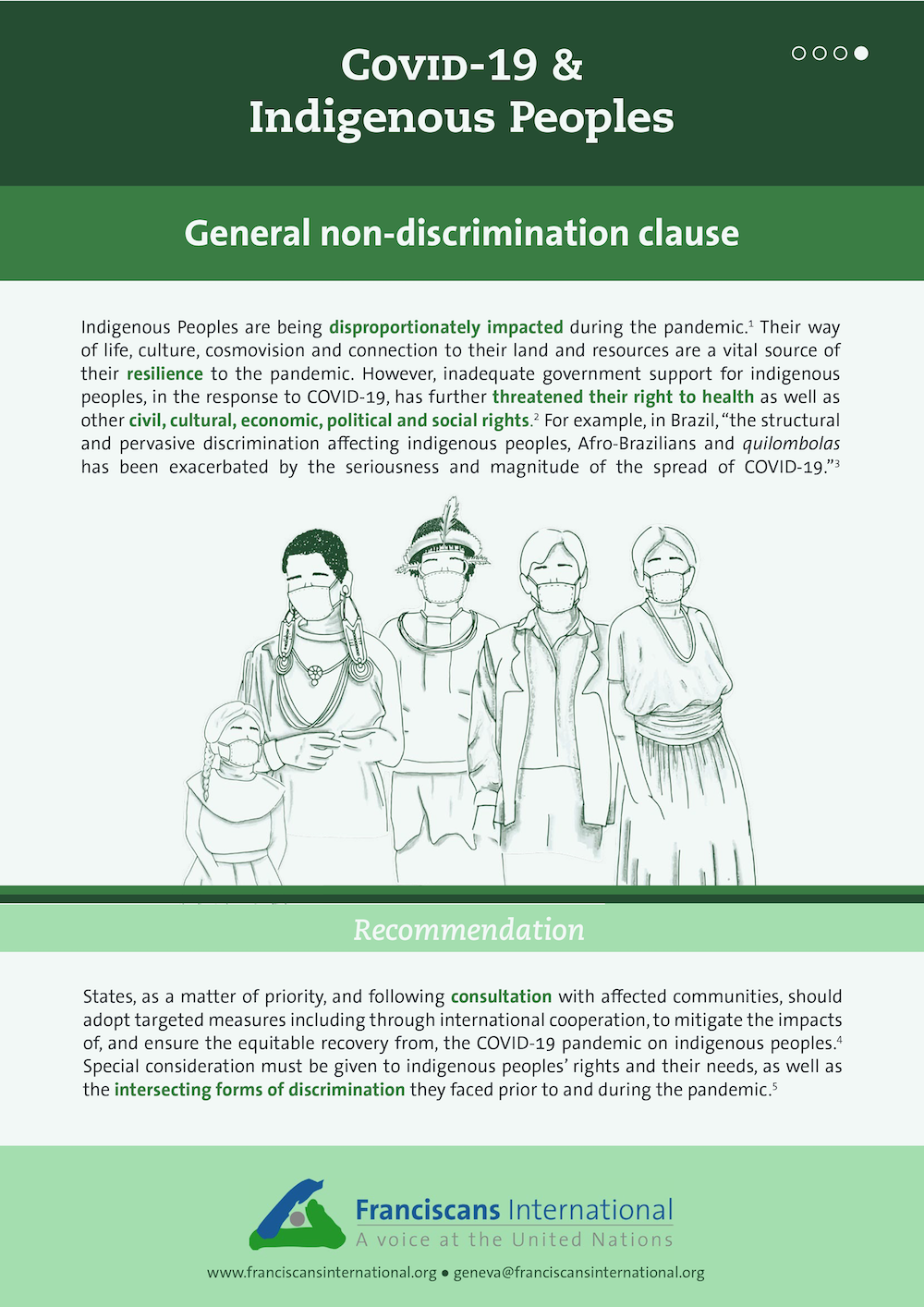
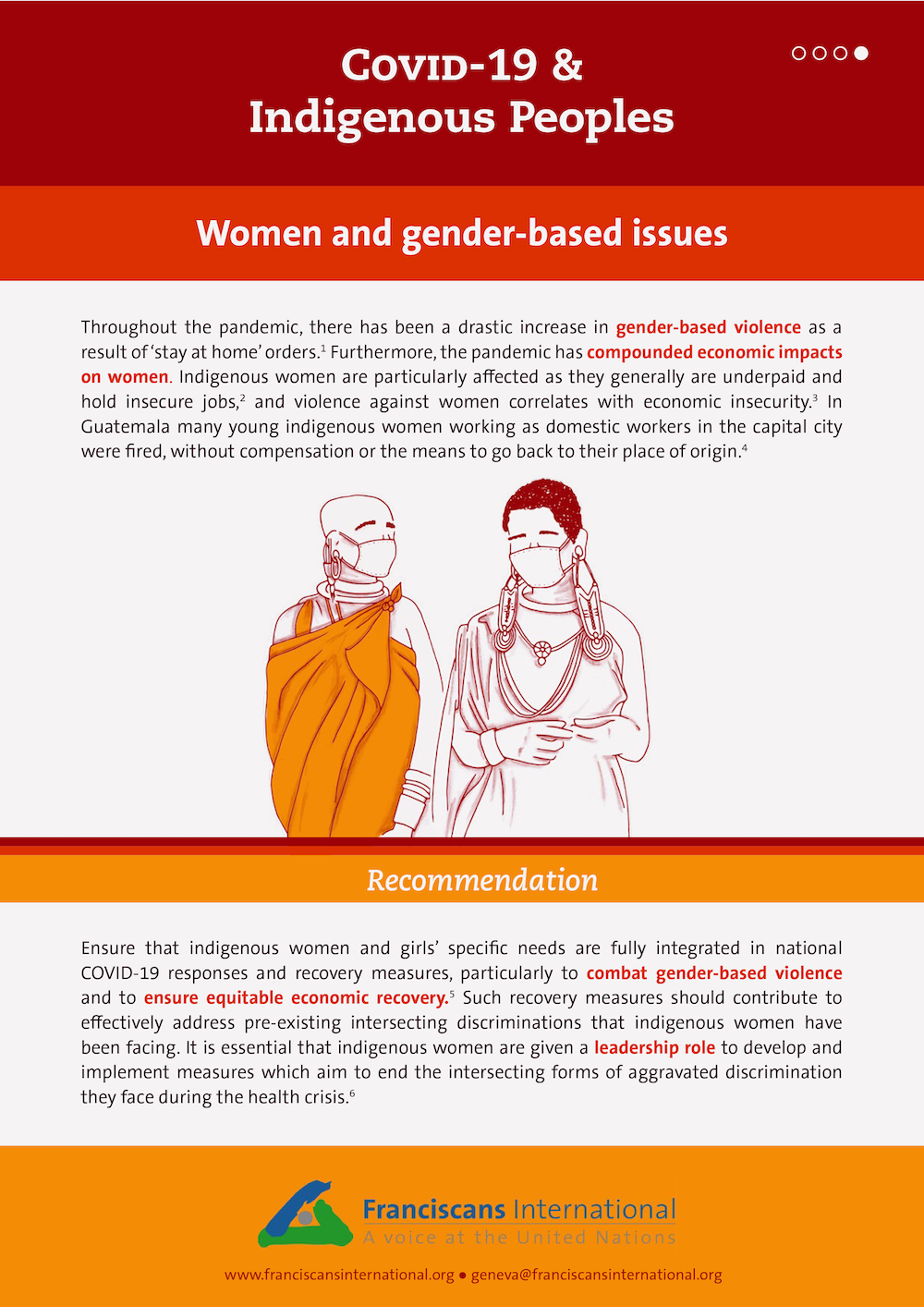
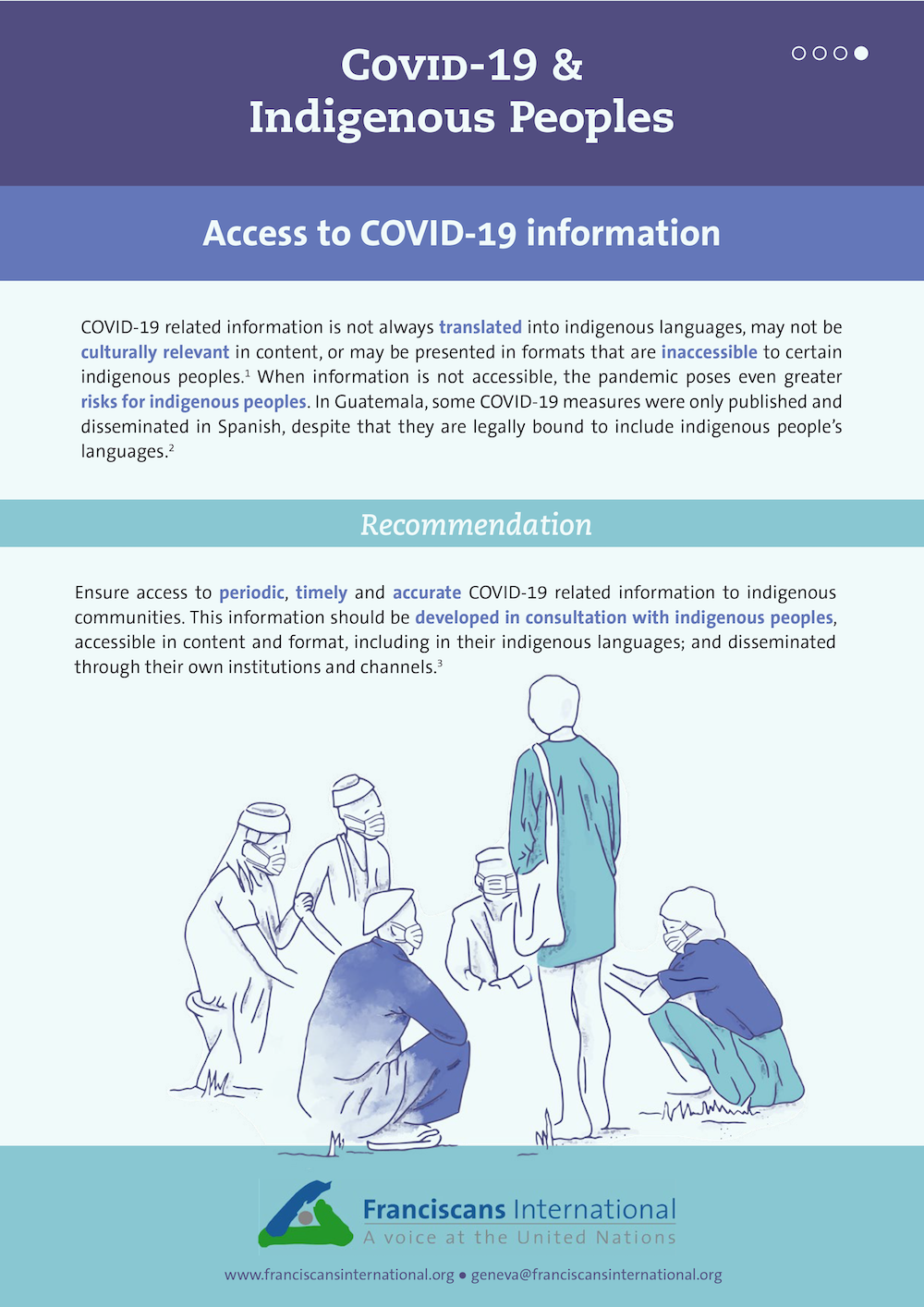
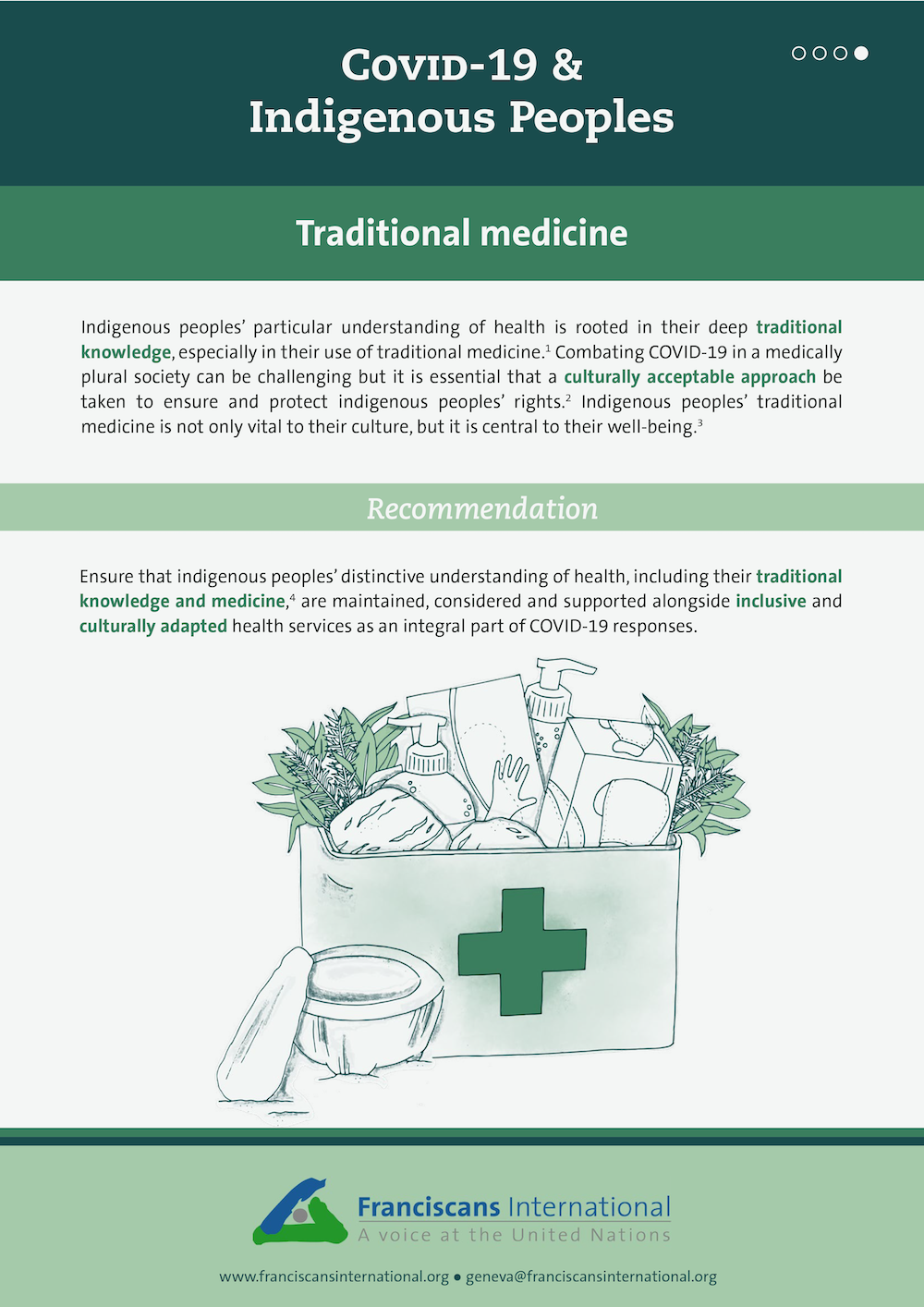
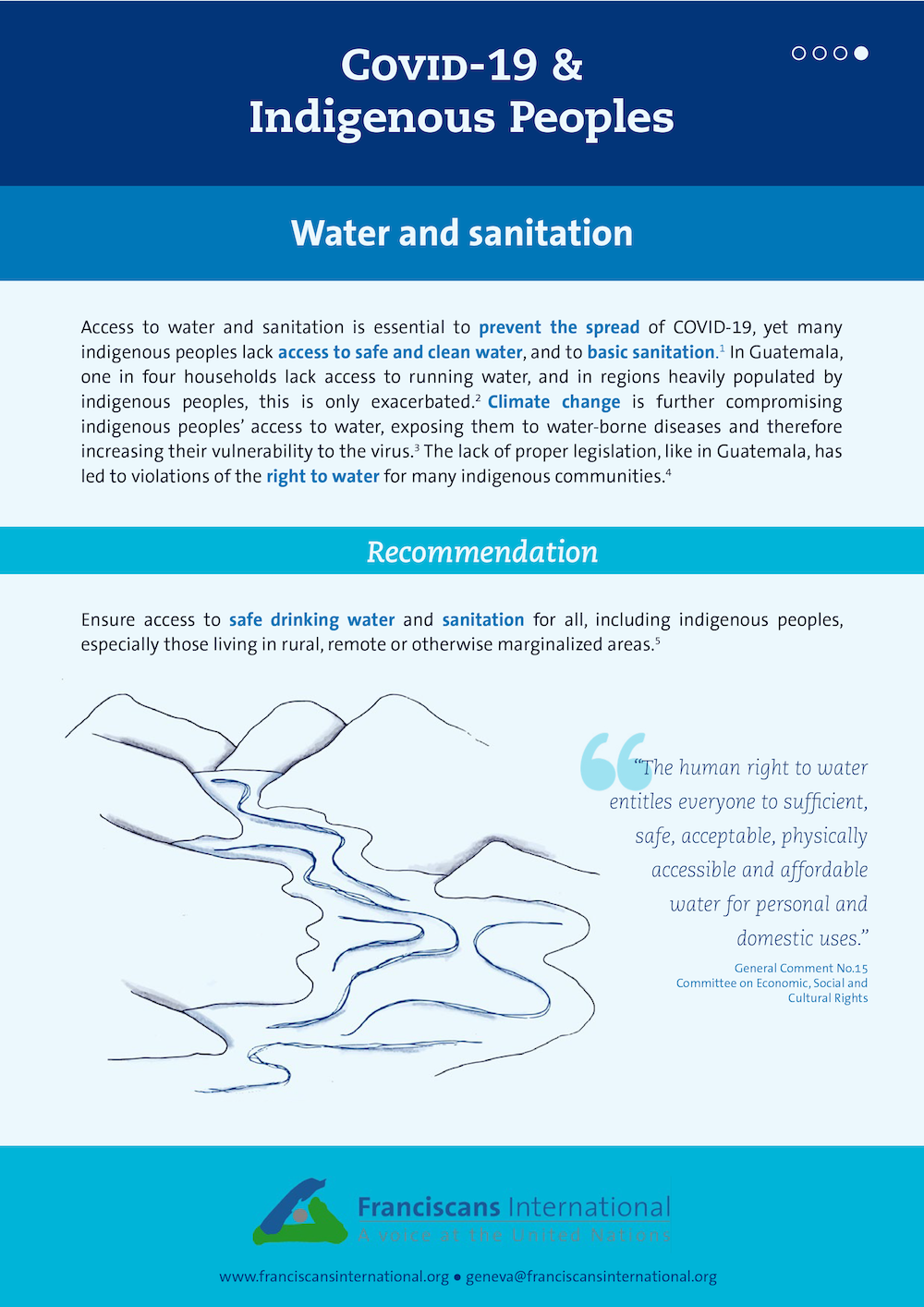
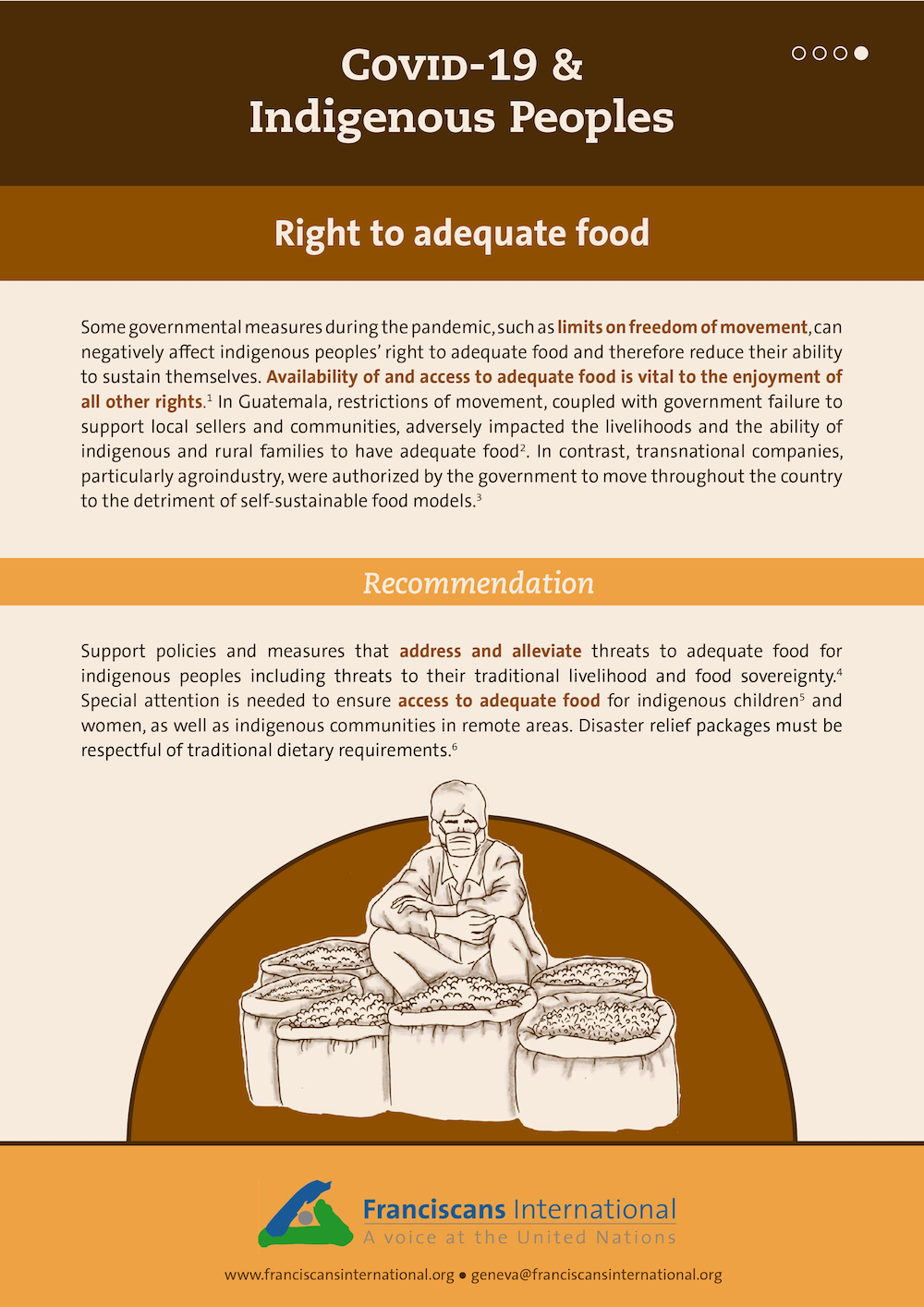
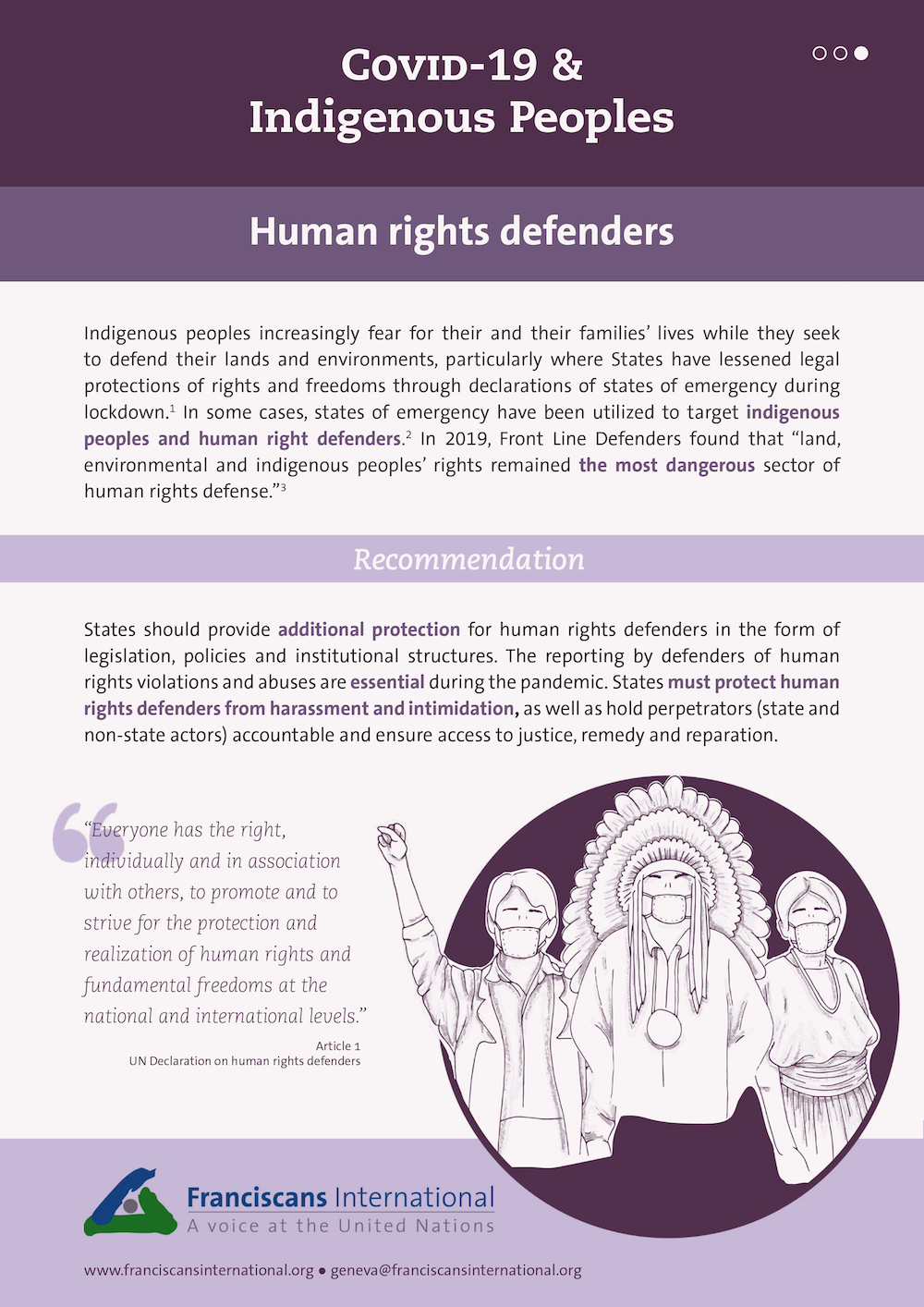
FI is also marking this day by launching the first of a series of fact-sheets that aspires to support the work of indigenous human rights advocates, especially during this pandemic. Starting with the fact-sheet on Human Rights Defenders, FI aims to make monitoring and advocacy easier for activists all over the world. In these fact-sheets, activists will be able to find several recommendations from UN documents on a given subject, see their source, and get familiar with the specific language of these subjects in order to use it in their own advocacy work. It is our hope that these fact-sheets will become tools for anyone willing to advocate for human rights in national, regional, and international arenas.

Stay tuned as more fact-sheets, including on the right to adequate food, access to COVID-19 information, and gender-based issues, will be released in the next couple of weeks. While they will be immediately available in English, Spanish, and Portuguese, we hope to also have them available in a number of indigenous languages in the future.

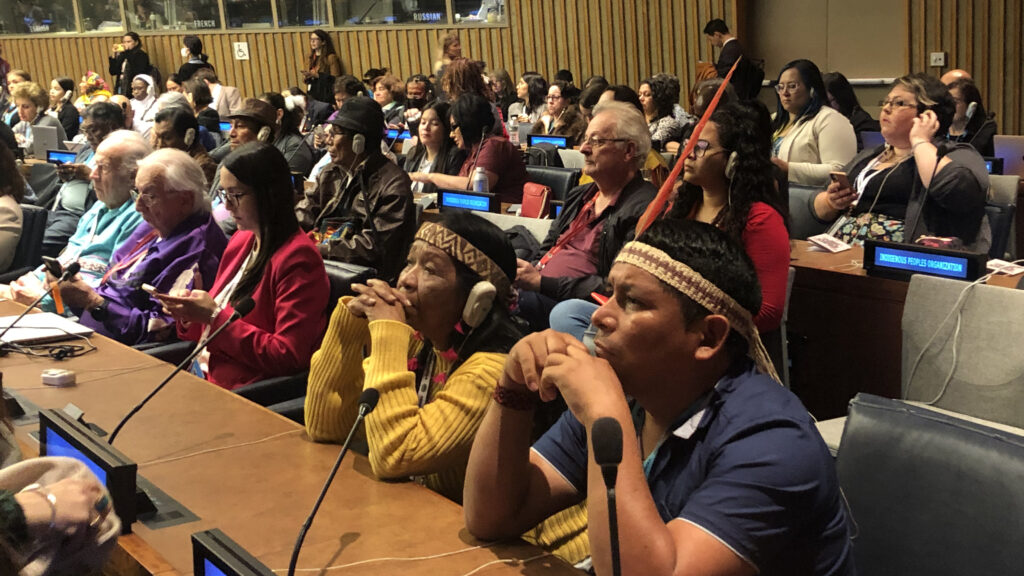
On 26 April 2021, Franciscans International and ESCR-Net organized the side event, “Justice and Accountability in the Context of Extractive Industries: Indigenous Women Human Rights Defenders from Guatemala, Brazil, Indonesia, and Bangladesh.” The event was co-sponsored by the Permanent Mission to Finland, and civil society partners CIMI, Codeca, AIPP, Swiss Lenten Fund, and Sinode Gereja Kemah Injil (Kingmi). Alongside the human rights defenders, the panel also included Assistant Secretary General, Ilze Brands Kehris, and the Special Rapporteur on toxic wastes, Marcos Orellana.

The women indigenous human rights defenders highlighted some of the issues they faced in the context of extractive industries and the appropriation of indigenous lands for other commercial activities. One issue in common is the intimidation and harassment that women human right defenders face.

Additional issues noted by the speakers included:

  • Guatemalan indigenous women are marginalized and kept in poverty despite working on agriculture lands owned by transnational companies.
  • Indigenous women in Bangladesh are exposed to sexual exploitation and other threats as their lands are confiscated for the tourism industry.
  • Lack of demarcation of indigenous territories in Brazil and the imposition of megaprojects including hydroelectrics and nuclear energy projects has put in risk livelihoods along the San Francisco river.
  • The new Omnibus Law in Indonesia will adversely impact indigenous peoples in West Papua, including by likely prioritizing commercial interests over the protection of forests and local livelihoods.


Assistant-Secretary General Brands Kehris underscored the role of businesses in human rights abuses, and the need for States to take action to monitor and hold corporations accountable.

Background of the side eventIndigenous peoples face numerous challenges in their quest for justice. From a lack of meaningful consultation and consent to inadequate or absent mechanisms that should guarantee their participation in decision-making processes, they are not only left behind but usually left outside.

As the Special Rapporteur on the rights of indigenous peoples has reported, “extractive activities within indigenous peoples’ lands and territories undertaken without adequate consultation or consent are the main source of serious violations of their human rights, including violence, criminalization and forced displacement.” Such situations have not only continued during the current Covid-19 pandemic, but States have also moved to facilitate and expedite the enactment of laws detrimental to indigenous peoples and their territories, while rolling back legislation related to environmental protection.
 
For example, in November 2020, while struggling with the consequences of the COVID-19 pandemic, Indonesia’s President officially enacted the job creation law, widely known as the Omnibus Law. The Omnibus Law is projected to negatively affect the ways in which indigenous peoples living in West Papua and around forests can access their land, and puts them at a disadvantage in relation to corporations with commercial interests. In Bangladesh, due to the lack of effective laws and policies, Indigenous peoples land has been used or taken away in the name of development including tourism without free, prior and informed consent. Non-implementation of the CHT Accord 1997 has also been leading to a destruction of the land, forest and natural resources, as well as an insecure situation to the rights activists in CHT Bangladesh.
 
Similar situations are seen globally, where private actors also increasingly resort to physical violence and crimes in order to take control over and exploit land and territories for their private interests. In most cases, States have been unwilling or unable to hold them accountable.
 
The pandemic has also revealed and amplified severe social inequalities, structural racism, prejudice, and gender violence. This situation has been more evident in countries such as Brazil where the government has also dismantled public health policies, while instituting other policies, which exacerbated the pandemic’s effects.1 During the pandemic, the federal government in Brazil declared mining an essential activity that should continue during the lockdown. Mining companies kept up production levels even while putting their workers and neighboring communities and indigenous peoples at risk. This has proven to be especially true in areas where mines are isolated with little infrastructure and services and far from the oversight of any environmental authorities.2
 
Based on documentation from 2019, Front Line Defenders found that “land, environmental and indigenous peoples’ rights remained the most dangerous sector of human rights defense due to the profit-driven exploitation of natural resources, combined with rampant corruption, weak governments and systemic poverty.” This situation is particularly alarming in Latin America where in recent years it has registered the highest number of attacks and murders against environmental human right defenders, indigenous leaders and members of indigenous peoples. In Guatemala – in 2020 alone, and while Covid-19 measures were imposed – 1,034 aggressions have been registered, 53% of these were against male defenders, 33% against women defenders and 14% against human rights organizations, institutions and/or communities, in addition to 17 murders and 22 attempted murders.3
 
In order to ensure full respect for and protection of human rights, and implementation of SDG 16, there must be equal access to justice for indigenous peoples and full and equal participation in public affairs. Indigenous leaders and human right defenders must be able to challenge the policies of both State and non-State actors that impact them, and their land and resources, without fear of reprisal.
 
Moreover, as Covid-19 has disproportionately impacted indigenous and other already marginalized groups, States must consider how recovery plans take into account and redress prior discriminatory policies and practices, including those that have served to benefit extractive and other industries, and ensure inclusive, equitable societies with accountable institutions. State obligations to respect, protect, and fulfill human rights are an essential foundation for the implementation of the SDGs and at the core of recovery plans.

  1. CONIC. “Um Brasil sufocado e orientado para uma política de morte: nota do Conselho Nacional de Igrejas Cristãs do Brasil” (A Brazil suffocated and oriented toward a death politics: a note from the National Council of Christian Churches in Brazil), 16 January 2021. Available here.
  2. Franciscans International Statement, “COVID-19: Extreme poverty and environmental justice”, Available here.
  3. UDEFEGUA (Unit for Protection of Human Rights Defenders of Guatemala), 2021.

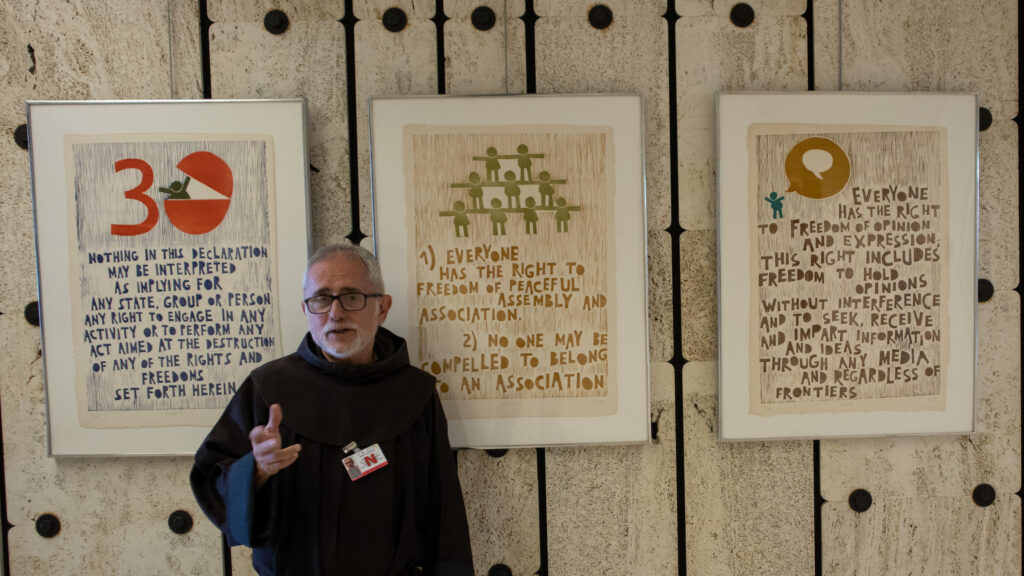
Photo by Tomas Munita/CIFOR under CC license

The 46th session of the Council was held from 22 February to 24 March 2021 in a mostly virtual format. We continue to work closely with Franciscans and other grassroots partners to ensure that urgent human rights issues are raised, even now that representatives are unable to travel to Geneva themselves.

End of session statement (24 March)

In a joint final statement, 16 civil society organizations highlight key takeaways from the 46th Session. This included a number of key priorities for FI, including the support expressed by a number of States for the creation of a new Special Rapporteur on human rights and climate change and the recognition of the right of all to a clean, healthy and sustainable environment.

Full statement (English)

Item 10: Technical assistance and capacity building – the Philippines (23 March)

Despite the adoption of Council Resolution 45/33, which provides for technical cooperation and capacity-building in the Philippines, impunity remains the norm for human rights violations and abuses. The government has continued to try to limit space for civil society and educational institutions through intimidation tactics such as ‘red-tagging’ critics as communists and leveling other baseless accusations. On 7 March 2021, nine unarmed activists were murdered after the President made a statement endorsing the killing of alleged communist rebels. In a joint statement, we called on the Council to ensure accountability in the country, including through “independent, impartial and effective investigations into the killings” and by taking concrete and measurable steps to implement previous Council resolutions on the Philippines.

Full statement (English)

Item 4: General Debate – Indigenous human rights defenders in Guatemala (15 March)

Human rights defenders in Guatemala face systematic repression, discrimination and criminalization. Indigenous defenders, especially those who oppose mega-projects, have been particularly vulnerable. In 2020 alone, 1,034 aggressions were registered, including 17 assassinations and 22 attempted assassinations. At the Council, Fastenopfer and FI drew attention to the case of Bernardo Caal Xol, who has been sentenced to 7 years and 4 months in prison over his opposition to Oxec hydroelectric projects. We were joined by 137 organizations and 147 individuals in our call on the Government of Guatemala to adopt and implement a comprehensive Public Protection Policy to prevent further attacks against defenders and ensure a justice system with independent courts and impartial judges.

Full statement (Spanish, English)

Item 4: General Debate – Indonesia (15 March)

In a joint statement, FI called attention to the information it continues to receive about new human rights violations in West Papua and expressed concern about escalating violence and shrinking space for civil society. While acknowledging the establishment of a “Special Team” by Indonesian authorities to deal with 13 cases of alleged gross human rights violations, we also noted the lack of a clear timeframe. We called on Indonesia, a member of the Council, to guarantee respect and protection of human rights, and a prompt and effective investigation, prosecution, and remedy the cases of gross human rights violations in West Papua, in conformity with its obligations under international human rights law.

Full statement (English)

Item 4: General Debate – Guatemala (15 March)

The already precarious situation of human rights defenders in Guatemala is further exacerbated by attacks and defamation of judges, prosecutors and magistrates who seek to fight impunity and corruption. Rather than developing effective prevention and protection policies, the government intends to reduce the budget for the administration of justice. Meanwhile, several legislative initiatives threaten to further shrink civic space. In a joint statement, we called on the Council to closely monitor the human rights situation and to promote the extension of the mandate of the Office of the United Nations High Commissioner in Guatemala.

Full statement (Spanish)

Item 4: General Debate – Climate Change (15 March)

In a joint statement, FI expressed its deep concern over the suffering of both people and Mother Earth as a result of the intertwined climate and global health emergencies. We commended the Member States of the Climate Vulnerable Forum and Pacific Island States who reiterated the call for a new Special Rapporteur on climate change during the 44th session of the Human Rights Council. Noting that there is an increased urgency to address the climate crisis in a more permanent, systematic and sustained manner we called on the Council to consider the establishment of this new mandate without delay.

Full statement (English)

Item 3: General Debate – Climate change (10 March)

In 2020, FI and CIEL conducted six regional consultations with over 150 civil society, indigenous people and local community organizations to discuss the establishment of a Special Rapporteur on human rights and climate change. There was an overwhelming support for this new mandate. At the Human Rights Council, we again highlighted that a new mandate would be essential to supporting a stronger human rights-based approach to climate change, engaging in country visits, normative work and capacity building, as well as further addressing the human rights impacts of climate responses, in order to support the most vulnerable.

Full statement (English)

Item 3: General Debate – Right to a healthy environment (9 March)

Three global environmental crises – the pollution crisis, the biodiversity crisis and the global warming crisis – already violate and jeopardize the human rights of billions of people. In a joint statement, we conveyed a call of action endorsed by 1,100 organizations in September 2020, urging the Council to recognize the right to a safe, clean, healthy and sustainable environment as a matter of the utmost urgency.

Full statement (English)

International Women’s Day (8 March)

In a joint statement, FI calls on all governments to take immediate action on economic injustice and environmental destruction – two of the most urgent threats facing women and girls in 2021.

Full statement (English)

Item 3: Interactive Dialogue with the Special Rapporteur on human rights and the environment (4 March)

In the Americas, a lack of legislation that protects and recognizes the human right to water with international standards has led to poor regulation, privatization, deprivation, and grabbing of this resource. This water crisis is even more evident in regions that are water dependent, like the so-called “dry corridor” of Central America that stretches across national borders. In his latest report to the Human Rights Council, the Special Rapporteur made recommendations regarding cooperation and equitable water management. Following these, FI urged the governments of El Salvador, Honduras and Guatemala to take concrete actions to negotiate and sign a treaty to effectively manage transboundary waters.

Full statement (Spanish and English)

Item 2: Country Reports and Oral Update on COVID-19 – Brazil (1 March)

COVID-19 has had an immeasurable impact on indigenous peoples, especially in the Amazon regions. A new strain in Manaus continues to spread, in part due to a lack of prevention, monitoring, and adequate sanitary measures. The overall proportion of hospital deaths in Brazil is higher among afrodescents and indigenous peoples. There have been instances of victims suffocating due to a lack of oxygen supplies. In a joint statement, FI urges the Government of Brazil to guarantee vaccines with priority to indigenous and other native peoples, as well as emergency financial aid for all poor families, until the end of the pandemic.

Full statement (Spanish, English and Portuguese)

Annual full-day meeting on the rights of the child (1 March)

In the aftermath of the COVID-19 pandemic, world leaders have an opportunity to put in place bold and transformative solutions toward a more resilient, greener and sustainable recovery rooted in inter-generational justice and accountability to present and future generations. In a joint statement, FI called on UN Member States to build back better, including by recognizing a safe, clean and healthy environment as a human right.

Full statement (English)

Item 1: High-Level Mainstreaming Panel (22 February)

On the 20th anniversary of the Durban Declaration and Plan of Action, FI again emphasized that COVID-19 has been a magnifying glass as well as a booster for structural, existing inequalities and injustices – disproportionally impacting indigenous peoples and migrants in particular. Nevertheless, they can also be key actors in the solutions to the many crises we are facing. FI urged states to follow the call of action for human rights by the UN Secretary General and to to ensure effective measures and funding for the realization of the whole range of human right

Full statement (English)

Every year, more than 300,000 people attempt to reach the United States from countries in Northern Central America. Driven from their homes by violence, extreme poverty, climate change, and a number of other factors, they are forced to embark on a journey that itself fraught with danger. Along this road, Franciscan brothers and sisters are trying to support and protect migrants as best they can. They do so by providing direct assistance, but also by documenting the stories of those that pass through their shelters.

This advocacy diagnosis combines these testimonies with a review of the most recent information from relevant literature, as well as with interviews with other key actors. It provides a general overview of new trends in Northern Central America, aiming to expand the debate on possible ways to deal with this phenomenon. Beginning with the caravans of 2018 and 2019, we identify the changes that have taken place in migration dynamics and highlights both structural problems in the sub-region as well as the violence and impoverishment in previously productive rural areas that drive migration.

We also considered it essential to report on the issues faced by actors who care for migrant populations – both in their countries of origin and those of transit – to be able to analyze possible opportunities and challenges in the future. This focus on actors who support migrants allows us to move beyond simply describing problem, instead helping to visualize the best ways for regional articulation and coordination.

When we started our work, the first consequences of Covid-19 measures and State responses to migratory flows were already becoming clear. This allowed us to include a section dedicated to considering new dynamics that have started to emerge as a result of the ongoing pandemic.

This diagnosis is the result of the collaboration between Franciscans International and the Franciscan Network on Migration in Central America, Mexico, and the United States.

In 2019, the Marshall Islands, on behalf of the Climate Vulnerable Forum (CVF), called upon the Human Rights Council to establish a mandate for a new UN Special Rapporteur on Human Rights and Climate Change. Member States of the CVF and Pacific Island States have since echoed this demand, calling for the mandate to be instituted in 2021 to better protect the rights of those on the front line of climate impacts. These calls reiterate demands made by civil society organisations as early as 2010.

In autumn 2020, the Asociación Interamericana para la Defensa del Ambiente (AIDA), the Center for International Environmental Law (CIEL), Franciscans International (FI), Natural Justice, the Pacific Island Students Fighting Climate Change, (PISFCC), the Pan African Climate Justice, Alliance (PACJA), and the Vanuatu Climate Action Network (V-CAN), conducted regional web-based consultations with over 150 civil society and Indigenous Peoples experts across more than 50 countries with the support of the Friedrich-Ebert-Stiftung (FES) Geneva Office. The objective was to collect views on the idea of the Human Rights Council establishing a mandate for a new UN Special Rapporteur on Human Rights and Climate Change.

The report “A UN Special Rapporteur on Human Rights and Climate Change? Regional Perspectives” channels these perspectives in order to inform discussions on the issue. It presents key recommendations from civil society and Indigenous Peoples on the creation of this mandate, collected through regional consultations across the world, which were coordinated by the Center for International Environmental Law (CIEL) and Franciscans International (FI) in cooperation with the FES Geneva Office.

The report is available in English, French, and Spanish.

Even though 2020 was characterized for many by the restrictions and lockdowns to curb the spread of COVID-19, more people than ever before in history are on the move across the globe. Around 3.5 percent of the world’s population has migrated across national borders – some by choice, others forced to do so by necessity. Regardless of what drives them, people on the move are frequently met with ignorance and hostility. The pandemic has only further exacerbated the dire situation of migrants, who are at particular risk to have their human rights violated.

Today, on International Migrants Day, the Office of the High Commissioner for Human Rights is launching a new campaign calling on people to #StandUp4Migrants, which includes an online toolbox on how to change the way to speak about migrants and migration. Franciscans International made its own contribution to foster a better understanding of people on the move recently with the launch of “Tearing Down the Walls. This publication challenges myths on migration from a human rights perspective and provides positive arguments to promote their rights and dignity.

In the foreword of the publication, Cardinal Michael Czerny SJ notes that the concept of ‘being on the move’ is deeply ingrained in the self-understanding of Franciscans, with Francis himself asking his follows to live as ‘pilgrims and strangers,’ and that, perhaps, it is no surprise that the Franciscans have come to work closely with migrants across the world. “Tearing Down the Walls” takes some of their experiences and uses concrete examples of the work done by Franciscans in the Americas, Africa, and Asia Pacific to identify myths on migration and then to dispel these using elements of international human rights law.

Another such initiative, where grassroots support is combined with international advocacy, is the Franciscan Network of Migration (RFM). The Network emerged after a 2018 JPIC conference of the Order of Friars Minor in Mexico and has since grown to include other branches of the Franciscan family. Linking a number of migrant and refugee shelters across the Americas that provide direct support, it also aims to address the underlying causes that drive people from their homes and puts them at risk during and after their journeys. FI recently took part in an assembly of the network members, with whom we work closely so that their direct experiences are heard in the United Nations’ human rights forums and verified information can be used toward positive and concrete change.

To that end, FI is also currently working on a research paper covering the northern countries of Central America, Mexico, and the United States. While focusing on the dynamics of migration in this region, this paper will also examine the particular challenges posed by the COVID-19 pandemic. We are expecting to publish this paper in early 2021 and the launch will be announced on this website as well as through our social media channels.

FI joins the Office of the High Commissioner for Human Rights in its call to stand up for migrants. We also encourage everyone to learn more about the many dimensions and nuances of people on the move, either by taking part in the #StandUp4Migrants campaign or by having a look at “Tearing Down the Walls,” and its suggestions for taking action.

This year, International Human Rights Day comes within the context of the 75th anniversary of the UN Charter and the COVID-19 pandemic. While Franciscans International, along with other civil society actors and States, would have taken stock at what the UN has accomplished over the past decades, including in regards to the pillar of human rights, the pandemic has undoubtedly forced us all to take a more honest look at the state of the world.

Our network of Franciscan and other partners on the ground have continued to convey both the extraordinary situations they are facing, as well as their efforts to support their communities. FI documented some of this in our April statements on the pandemic. At the time, we underscored that COVID-19 has served as a magnifying glass on structural human rights issues, which while present for decades and even centuries, could no longer be “managed” or hidden by governments. Inequalities in and between states, including with regards to human rights such as access to clean water and health care, were exposed and exacerbated. At the same time, many States failed to fully consider how such inequalities had been generated and preserved, and continued to prioritize business interests over the short and long-term health and safety of their citizens. This included rollbacks on environmental legislation and some states that deemed mining as an ‘essential’ activity.

On this International Human Rights Day, Franciscans International calls on States to heed the call of the UN to “recover better.” States must consider their obligations under the UN Charter, including their duty to respect, protect, and fulfill human rights. This must include consideration of how climate change has and will continue to impact human rights, so that any recovery is not only effectual but also sustainable.

FI’s previous statements on COVID-19 and human rights can be found here:

Migration and the movement of peoples is a phenomenon that is as old as humanity itself. While persistent factors, such as conflict, continue to force people from their homes, climate change and other new drivers also fuel an increase in human mobility globally.

Today these old and new factors have created a shared context in which unprecedented numbers of people are moving across the world. Although international law is unequivocal that the enjoyment of human rights must not depend on one’s legal status, migrants often continue to face obstacles and hostilities.

Numerous dynamics, such as rising economic and social inequalities in many countries and the current rise in various forms of national populism, have contributed to the development of an often xenophobic and racist discourse about migration and migrants. Repressive policies and ‘security’ priorities are dominating State actions, largely with complete disrespect for the human rights obligations that these same States have committed to. In this environment, the rights of migrants are threatened.

While States did come together in an attempt to address these concerns, and adopted the Global Compact for Safe, Orderly and Regular Migration in 2018, the process and the Compact itself proved insufficient. The difficult negotiations and eventual adoption of this agreement very clearly exposed the many ‘myths’ and misrepresentations of migrants and of migration found globally. It further highlighted that the protection of human rights in the context of migration, even if reiterated as a general abstract principle, is still not the number one priority of many States when implementing border control or other sectorial policies.

This publication aims at deconstructing predominant myths about migration and human mobility more generally, from a human rights perspective. In doing so, the paper reflects the lived experiences of Franciscans and our other partners who are focused on and support migrants, refugees, internally displaced persons, and victims of human trafficking. It also looks at binding human rights standards and the political commitments of States via the Global Compact on Migration. This paper is by no means exhaustive, neither in the myths or issues presented, nor of the international legal obligations that States have in regard to a particular issue.

Nevertheless, we hope that this publication may help Franciscans, other faith-based groups, and local civil society organizations to address and counter, with the general public and local authorities, misconceptions, xenophobic and racist discourses, and abusive policies on human mobility. Franciscans International underscores that States have legal obligations towards migrants’ rights that must be respected, protected, and fulfilled. Their rights, including their lives and safety, should not be subject to political currents.

“Tearing Down the Walls” is available in English, German, Italian, Portuguese, and Spanish.