

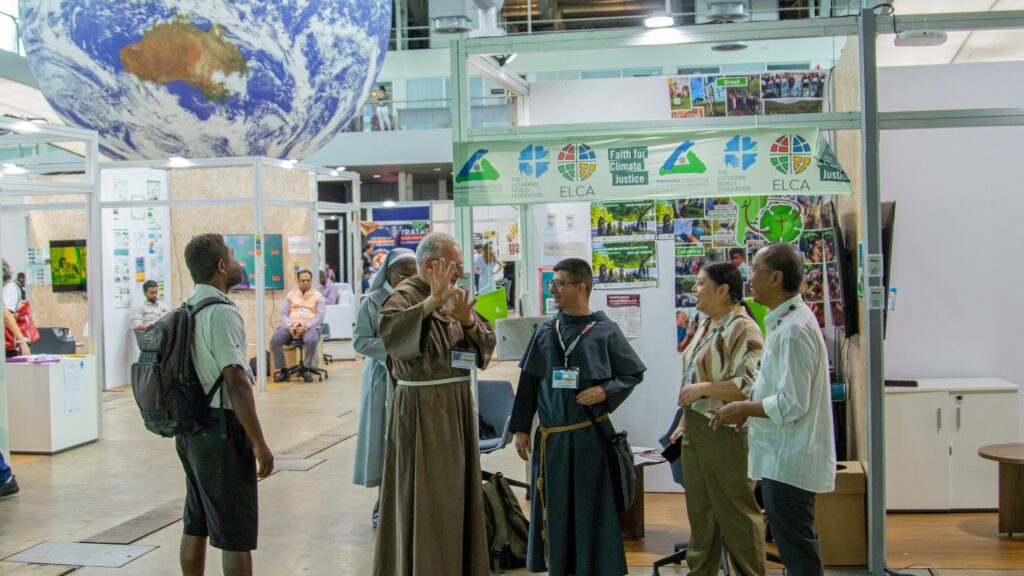
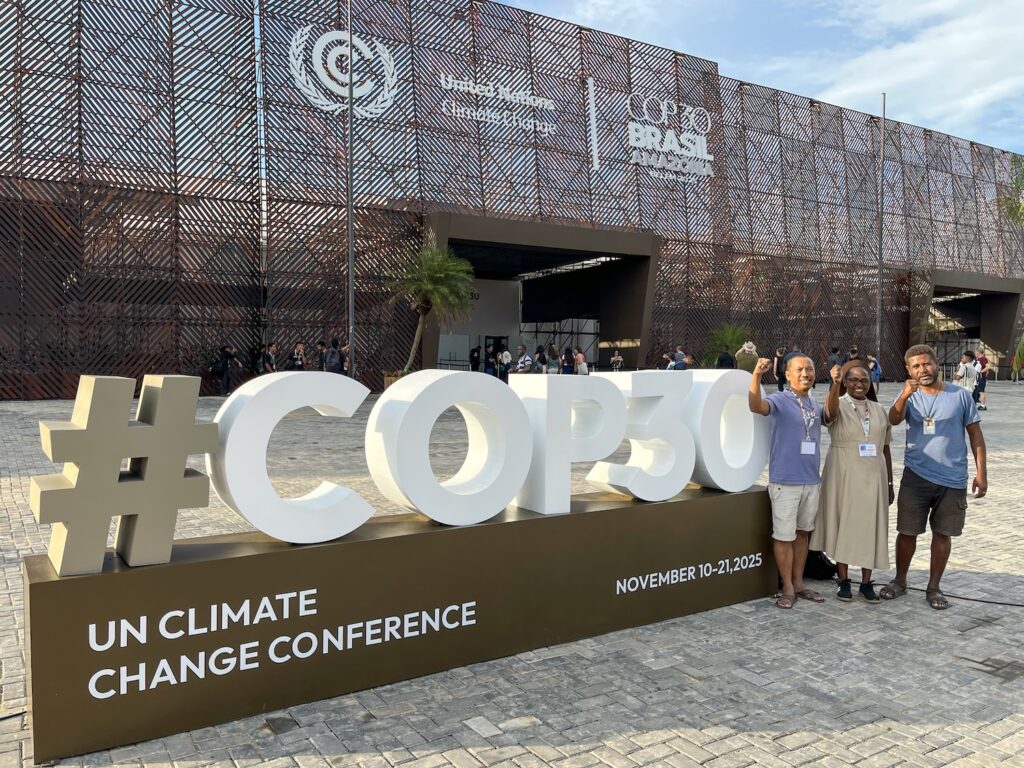
COP30 came to an end on 22 November, closing two weeks of negotiations for which more than 56.000 delegates descended on Bélem, Brazil. In a year that marks the 10th anniversaries of the Paris Agreement, the encyclical Laudato Si’, and the 800-year anniversary of the Canticle of Creatures, Franciscans International supported a large delegation to attend the UN Climate Conference. Twenty-four brothers and sisters, representing all branches of the Franciscan family, took part in events inside and outside the COP30 venue, sharing concerns of the grassroots communities they represent to demand stronger climate action.
Despite an ambitious agenda set by the Brazilian presidency, COP30 ultimately fell short of delivering a breakthrough in the struggle against climate change. Billed as the ‘COP of implementation’, negotiators failed to adopt an envisioned roadmap to phase out fossil fuels. Instead, the commitment to transition away from fossil fuels made two years ago at COP28 in Dubai continues to be watered down at the insistence of a coalition of oil-producing countries.
“This is a great disappointment and shows the failure of political leaders to take the climate crisis seriously,” said Budi Tjahjono, FI’s International Advocacy Director. “While it’s encouraging to see that over 80 States are considering their own initiative to phase out fossil fuels, COP30 did not meet the moment. Similarly, while delegates agreed to an urgently needed increase in funding, these political pledges need to be made concrete. However, Belém did made one thing crystal clear: across the globe, people are running out of patience.”
Moving the debate forward
Spurred on by climate-vulnerable nations and civil society, the push for stronger climate action continued. As part of these efforts, FI and the Lutheran World Federation (LWF) launched a new report exploring faith-based perspectives on a Just Transition – one of the key issues being discussed at COP30. Drawing on inputs from communities at the frontlines of the climate crisis, the organizations propose that a Just Transition should not be narrowly approached as a shift to a low-carbon economy, but rather as a structural and systemic transformation to a more equitable, inclusive, and greener society.
Throughout the conference, FI joined several side-events and press briefings to raise the need for such a truly Just Transition and provide recommendations on the way forward to negotiators. This research also built on a previous report on non-economic loss and damage released by FI and LWF during COP29 in Azerbaijan. Utilizing the deep connections of the two organizations in grassroots communities, this paper provides a deeper understanding of climate change-related impacts that cannot be expressed as monetary value, such as the destruction of cultural heritage or the loss of traditional knowledge.
A global movement
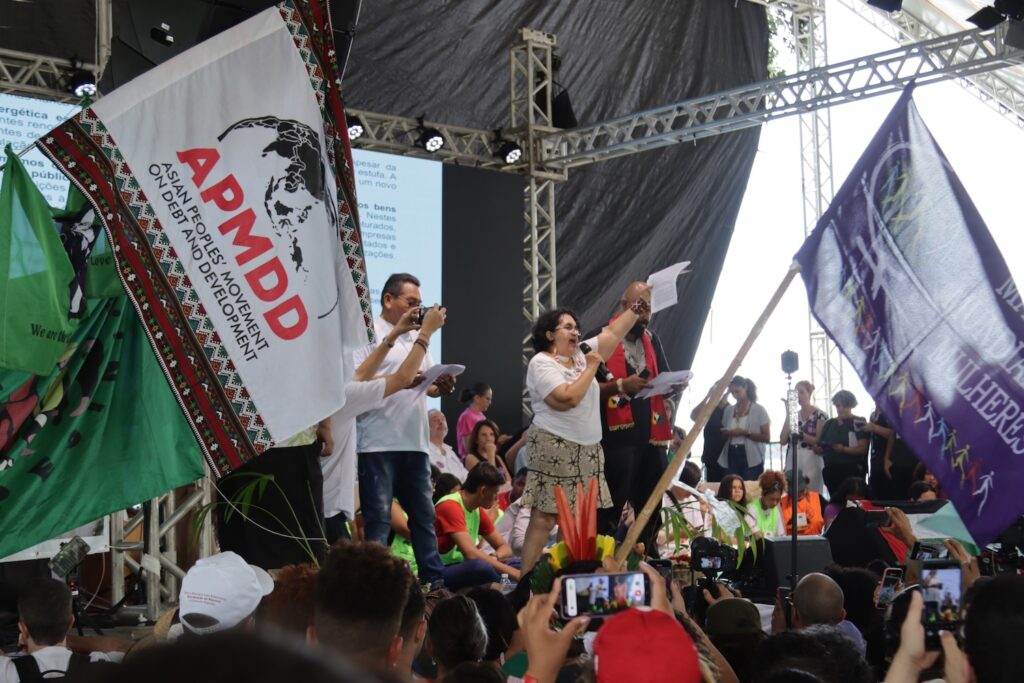
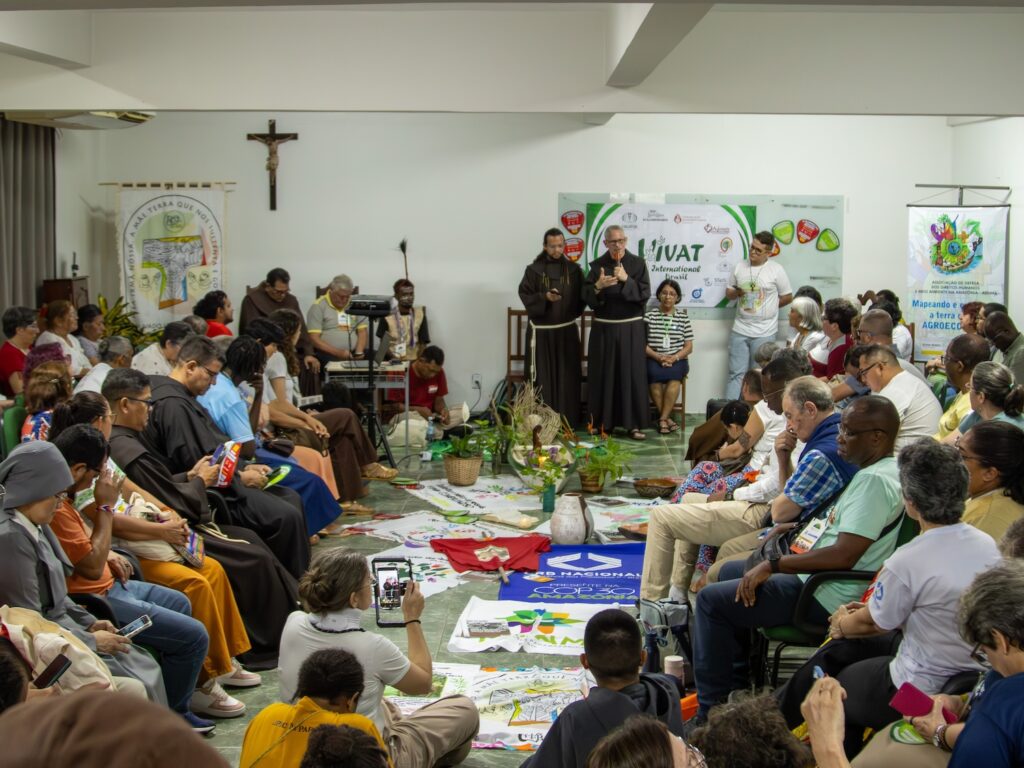
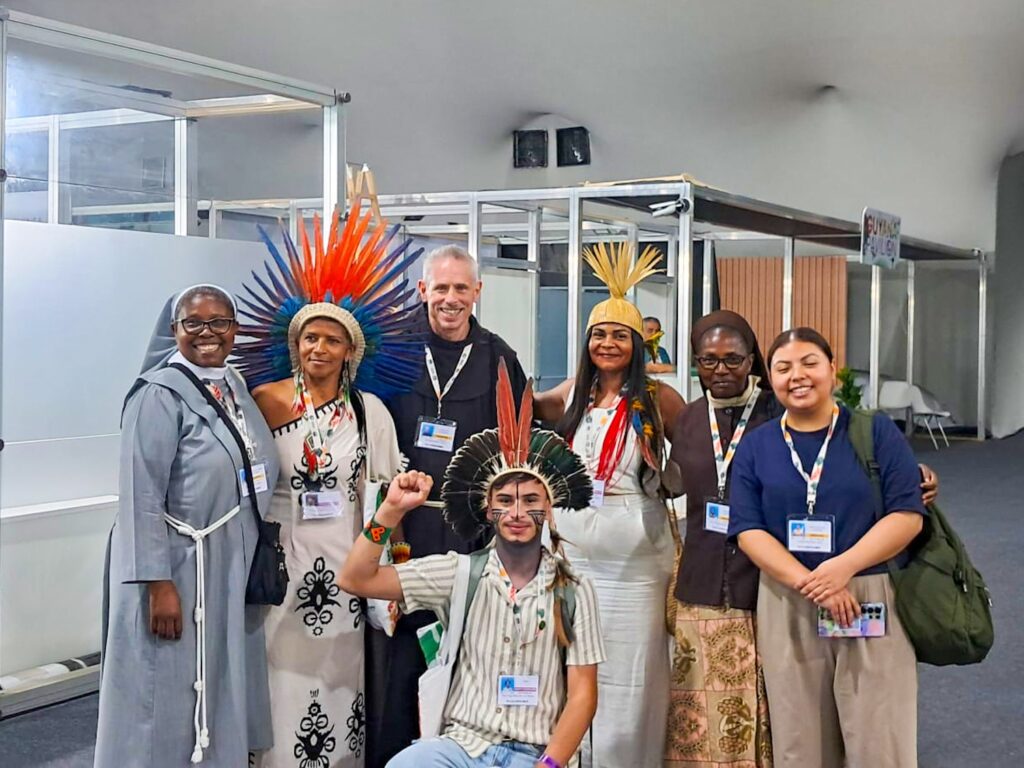
Outside the COP30 venue, civil society organized a range of events to provide a platform to those unable to join the negotiations and to explore alternative solutions to the crisis. Members of the Franciscan delegation joined the Talanoa and Tapiri interfaith dialogues, where they met with representatives from Indigenous, traditional, and marginalized communities.
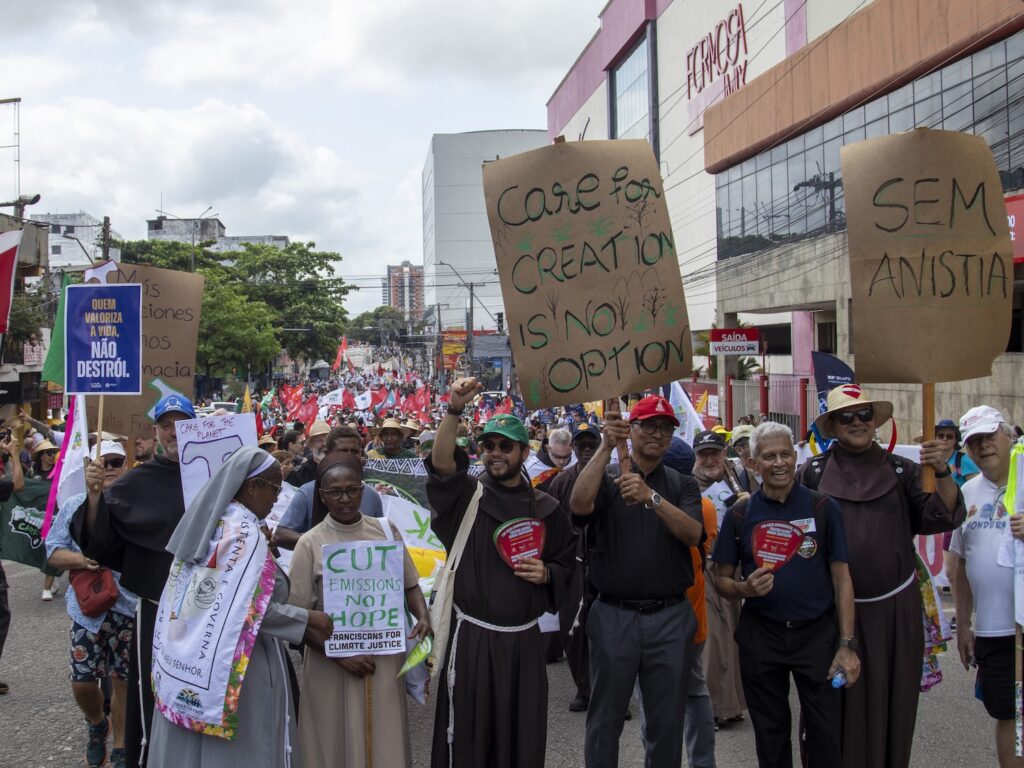
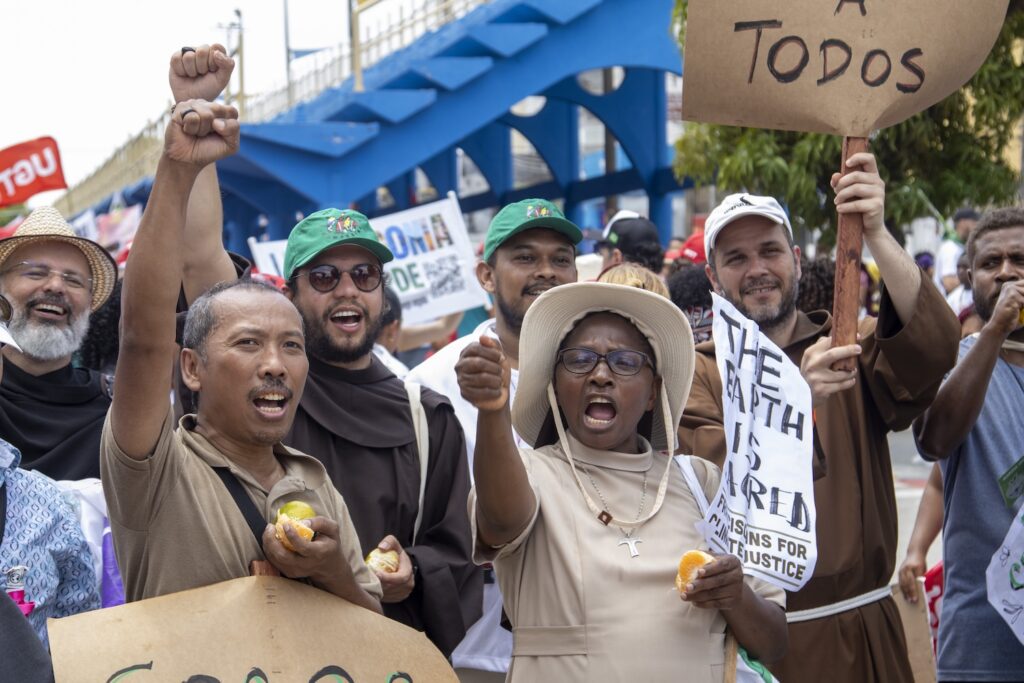
They also took part in the Peoples’ Summit, a forum led by popular and social movements that brought together 25.000 delegates, who presented their manifesto to COP30 president André Corrêa do Lago. On 15 November, Franciscans were among the 70.000 people who took to the streets of Belém in the largest global demonstration to demand climate justice.
The efforts of our delegation all complemented other initiatives coming from both the Anglican and Catholic Churches. The delegation met with Cardinals Fridolin Ambongo OFMCap, Felipe Neri, and Jaime Spengler OFM, the three signatories of the call to action by the Catholic Bishops’ Conferences of the Global South who demand, among other things, payment of the ecological debt owed by wealthy industrialized nations.
Where do we go from here?
Although COP30 did not meet most of civil society and States’ expectations, the conference in Belém was not an endpoint in itself. Strengthened by the connections built and the knowledge gained, the Franciscan family remains convinced that care for creation is not optional, and will use all avenues at its disposal at the United Nations and at the grassroots to advocate for stronger climate and environmental policies. The road to COP31 starts yesterday.