

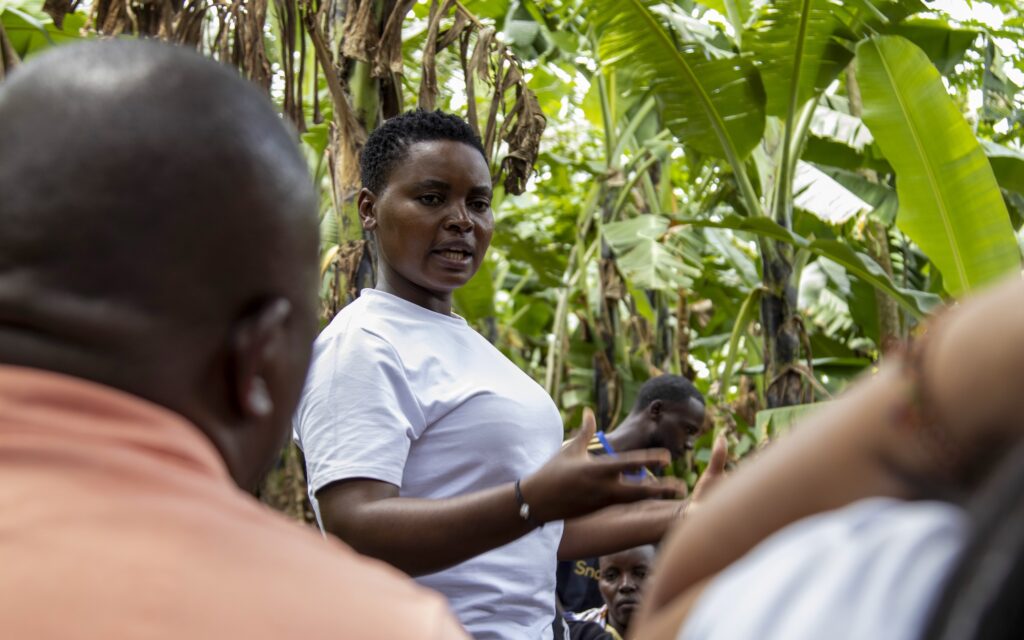
As Uganda prepares to undergo its Universal Periodic Review (UPR) in January 2027, Franciscans International visited the country for a two-day workshop and the opportunity to meet with diplomatic missions, civil society partners, and Franciscan leadership. Joining forces with local partners, the delegation also visited with five communities affected by the East African Crude Oil Pipeline (EACOP).
Scheduled to become operational in the next few months, EACOP will transport oil extracted in Uganda’s Albertine region over 1.400 kilometers to the Tanzanian coast. The project has raised numerous environmental concerns, crossing 51 protected or key biodiversity areas and cutting across the Lake Victoria basin. Fears of contamination by toxic wastes are added to the estimated 379 million tons of carbon dioxide emissions that the project will generate over its lifespan. At the local level, the pipeline and its expanding infrastructure have severely impacted local communities who are at risk of being displaced.
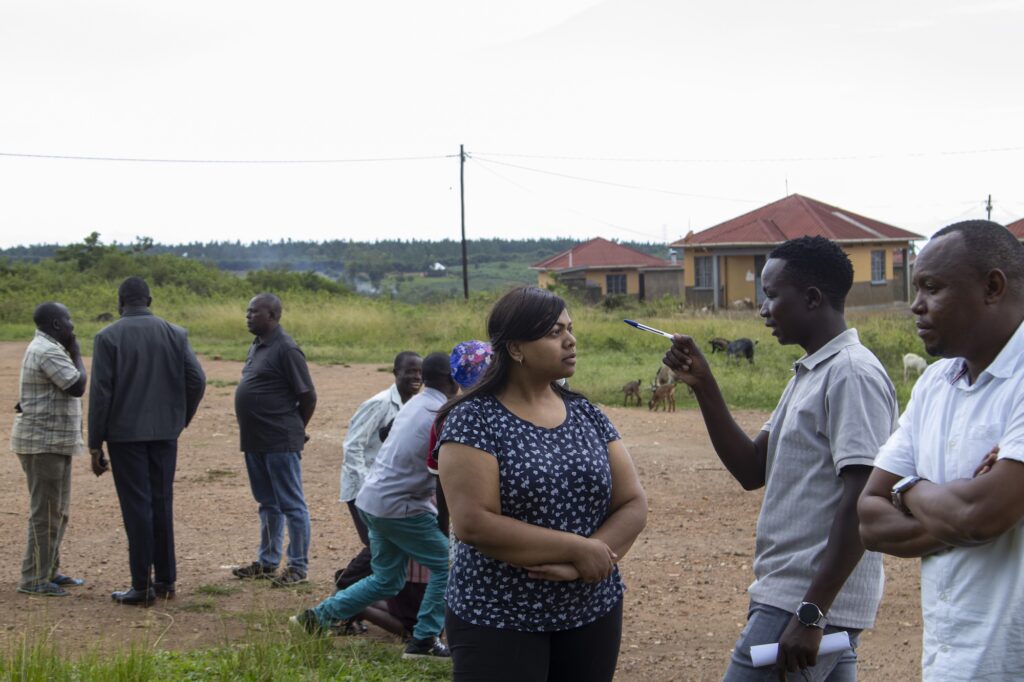
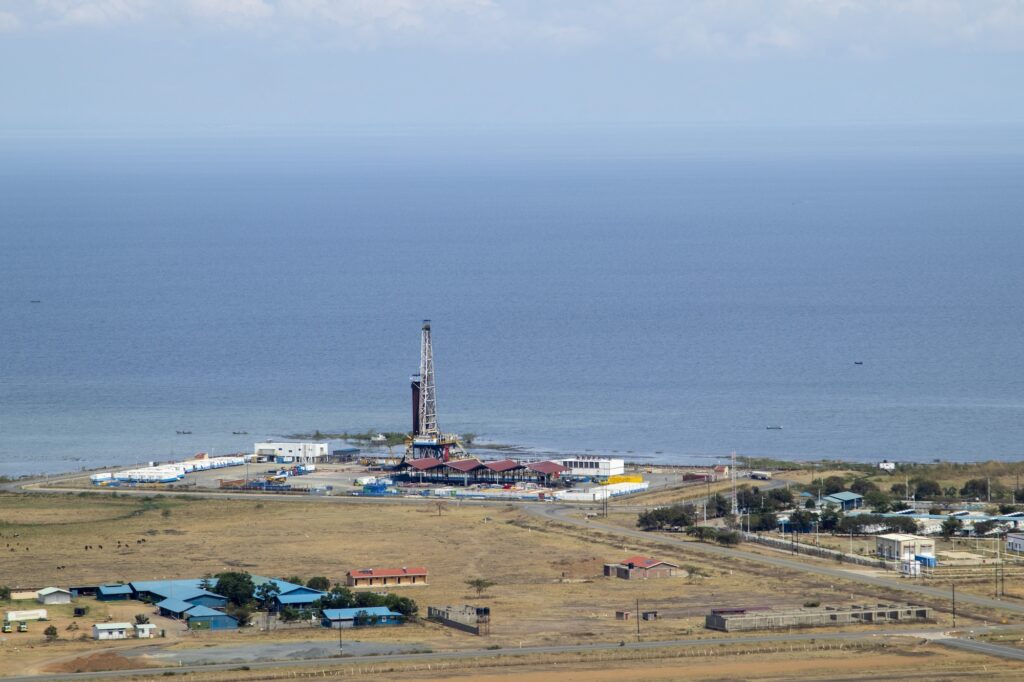
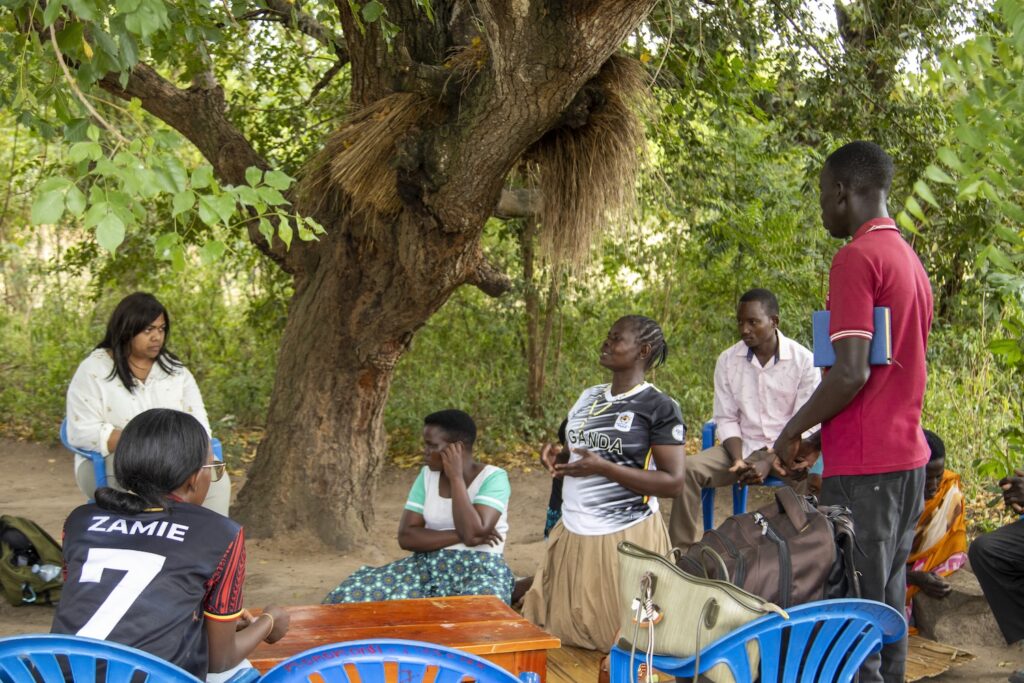
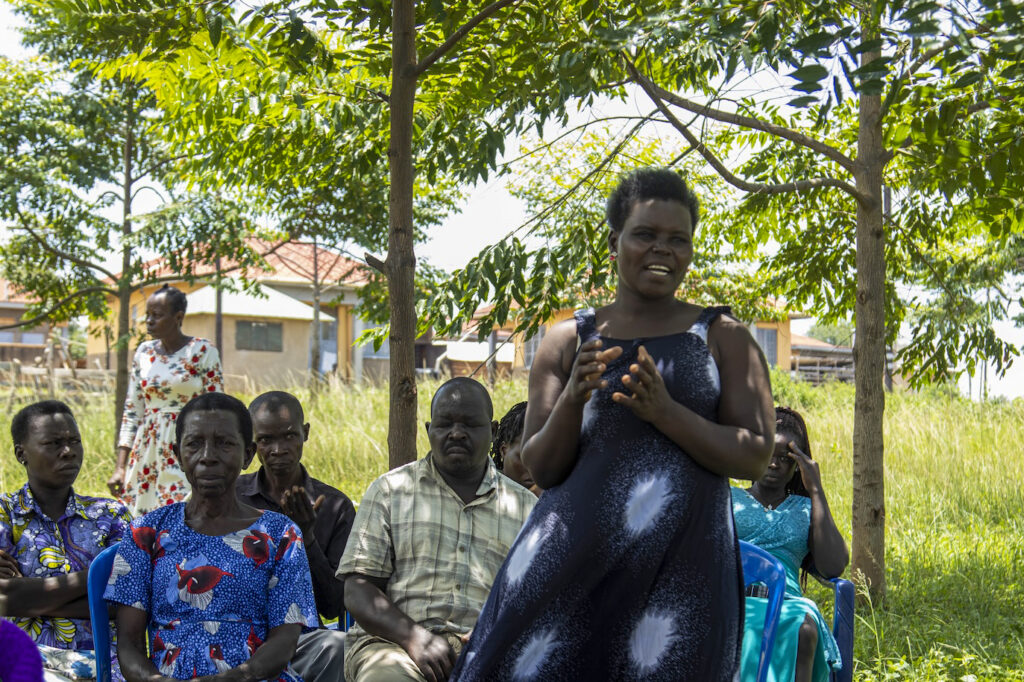
Supported by EACOP Host Communities, FI was able to visit the affected areas. Here, small scale farmers received limited information on the project, oftentimes not in their local languages. Many had to sell their land under market value. Now, almost a decade later, they still waiting for the agreed compensation. In intervening period, land prices in the area have nearly doubled. Some have taken out loans against the promised compensation that they are now unable to repay. Attempts to take these issues to court have been met with indefinite delays.
In communities that chose to be resettled, foregoing financial compensation, the new housing provided has proved inadequate and incompatible with people’s customary way of life. Sanitary facilities were poorly constructed, and subsequent health concerns are further exacerbated by the fact that clinics were promised but never constructed. Relocation areas are now facing changing weather patterns and families are unable to cultivate and generate profit from land. When community members objected during construction, they were initially barred from further compensations. Later, attempts to raise their case were met with harassment, arbitrary arrests and detention.
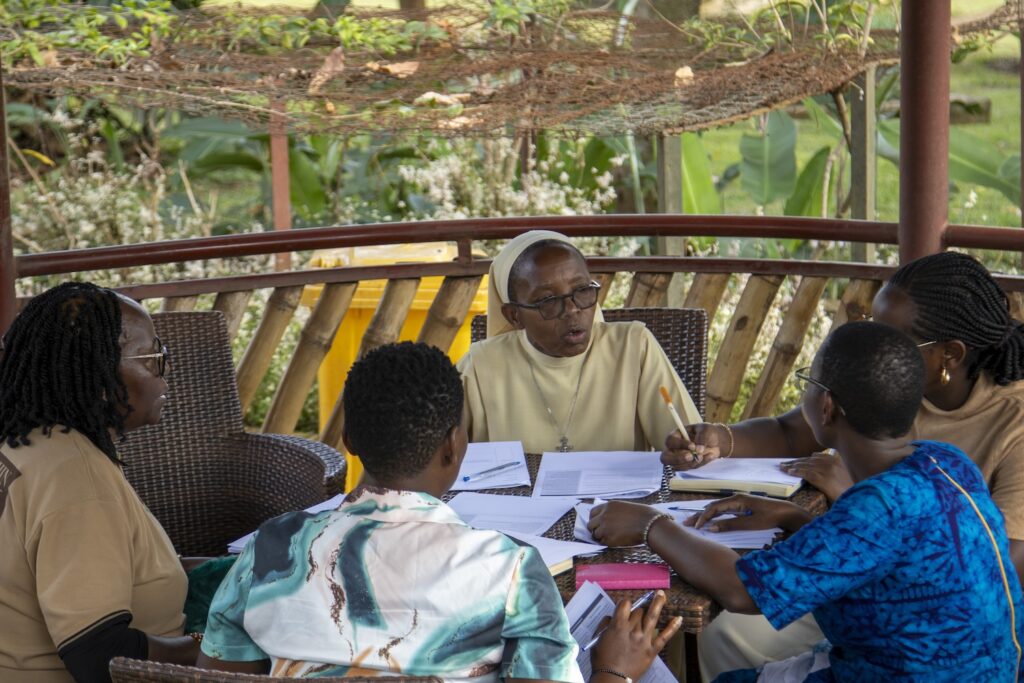
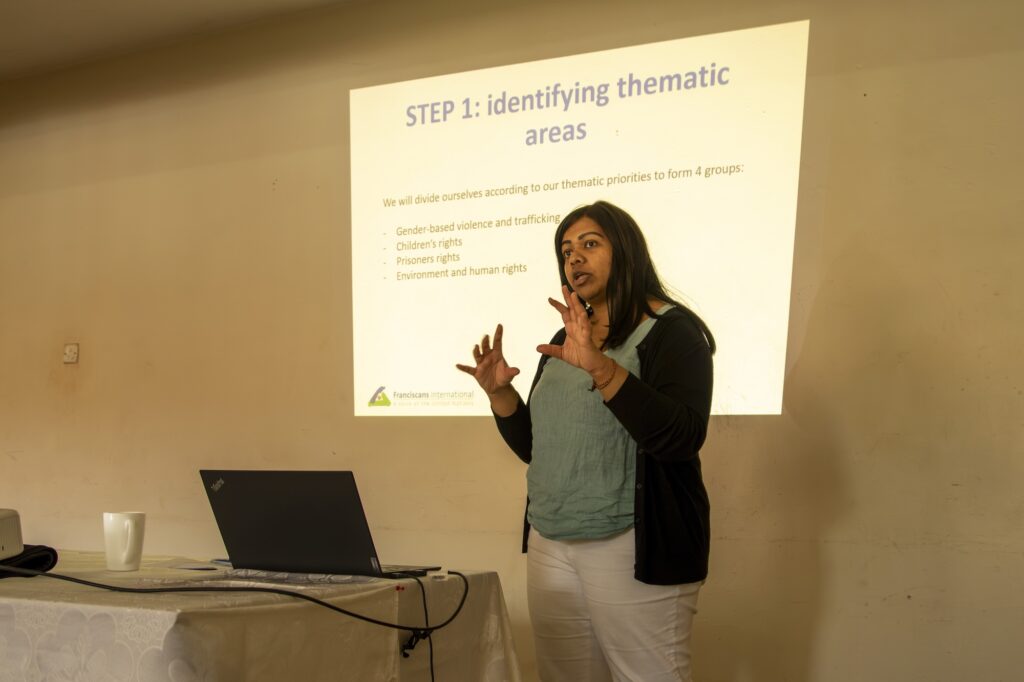
These issues were added to those discussed during a two-day workshop in Kampala, laying the groundwork for follow-up after Uganda’s upcoming Universal Periodic Review. Ahead Uganda’s UPR, FI compiled a Joint Stakeholders’ Submission focusing on children’s rights, gender-based violence, human trafficking, the situation of detainees, and impact of businesses on the environment.
Hearing from speakers such as the former UN Independent Expert on international order, Franciscans, and faith-based and civil society representatives who contributed to this report drafted a strategy to follow up on the implementation of UPR recommendations. FI and partners also engaged in national advocacy work and met with embassies in Kampala to discuss the Joint Stakeholders’ Report and share their recommendations.
This work builds on previous submissions made to the Committee for the Elimination of Discrimination Against Women (2022), the Human Rights Committee (2023), and the Committee on the Rights of the Child (2024). FI will continue to urge the Ugandan government to either strengthen or implement relevant legislation in these areas. Witnessing the shrinking civic space in the country, we also call on the government to regard civil society and faith-based organizations as a partner, rather than an obstacle, in this process.
The Universal Periodic Review of Uganda is set for 21 January 2027. The UPR pre-sessions will be held during the week of 16 November 2026.